Craft Fair Review: The Patchwork Letter N Embroidery Design
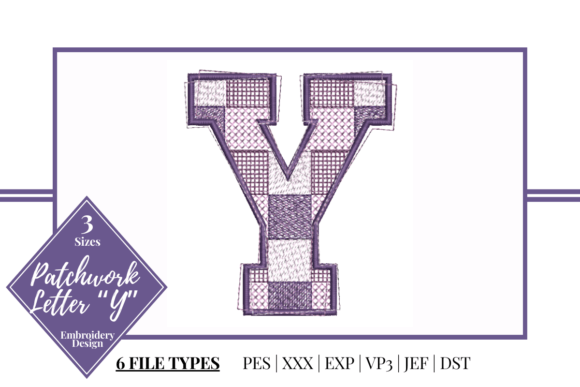
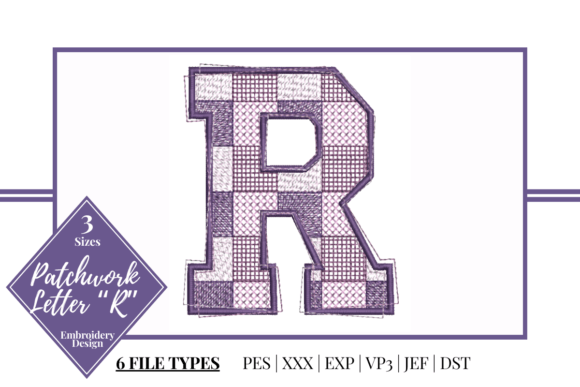
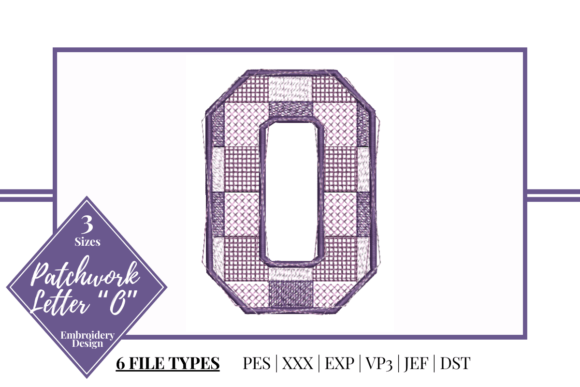
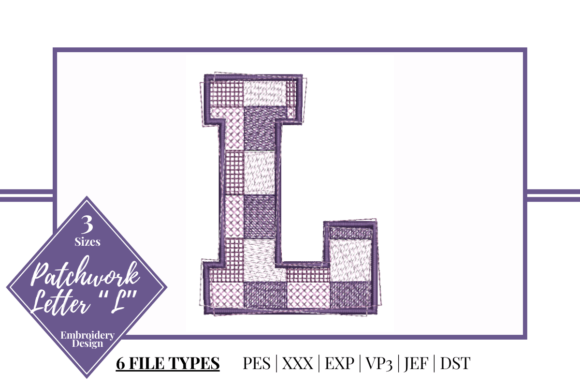
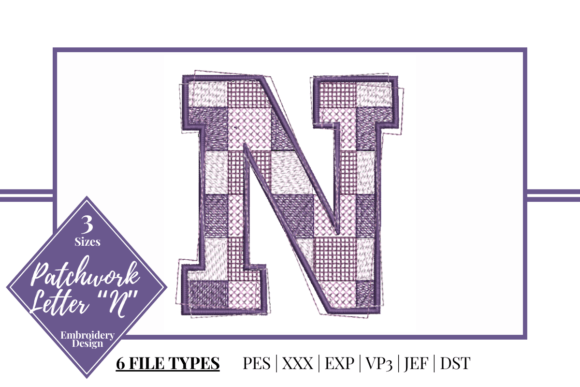
From my booth table, stacked with tea towels and tote bags, I’m always evaluating which embroidery files will translate into real-world sales. Today, I’m looking at the Patchwork Letter N. The title alone tells me this isn’t a simple block letter; it’s a decorative, built-up design. The description notes it’s for adding a stylish accent to home decor, outfits, and accessories, and the color flexibility is a major plus for crafters. My immediate impression is that this design leans modern rustic or decorative farmhouse. It feels premium, not cute or funny, which positions it well for a boutique handmade market.
Where the Patchwork Letter N Stands Out on the Table
At a busy fair, customers scan for something distinctive. A monogram or single letter design needs to have character to avoid feeling generic. The patchwork style implies texture and depth, which gives the Patchwork Letter N an advantage. I envision it as a focal point, not a tiny accent. On a clean, natural linen apron or a sturdy canvas tote bag, this design would command attention. The “N” becomes a personalized anchor, making the product feel custom and intentional.
For display strategy, I’d create a small collection around it: a pillow cover with the design centered, a matching market bag, and perhaps a simple tea towel with the “N” in the corner. This shows versatility and helps customers imagine it in their own home. A booth sample as an embroidered patch, ready to be applied, is also a smart move—it taps into the trend of customizable gear.
Performance Across Key Craft Fair Products
Let’s break down how this machine embroidery design might perform on specific items I typically produce.
Tote Bags & Market Bags
This is a prime candidate. The design likely has enough scale and visual weight to look substantial on bag fabric. The patchwork aesthetic complements the utilitarian feel of a bag. It photographs well for Etsy listings because it fills space nicely without being overly dense. Value perception increases; it looks like a dedicated handmade product, not a quickly slapped-on graphic.
Aprons & Kitchen Towels
For aprons, placement is key. A centered Patchwork Letter N on the chest or bib area creates a strong brand-like statement for someone’s kitchen. On tea towels, consider size. If the design is too large, it may overpower the towel’s function. A medium-sized “N” in one corner maintains elegance. Be mindful of fabric texture; terry cloth or highly textured linen can challenge clarity, so a good stabilizer choice is crucial.
Pillow Covers & Pouches
These are giftable items where the design truly shines as home decor. The patchwork style inherently feels cozy and crafted, perfect for a pillow. On a small fabric pouch, it becomes a premium detail, elevating a simple item into a small shop product with higher perceived value. It encourages batch production because the design is consistent and repeatable—once you nail the setup, you can produce multiple units efficiently.
Caps & Patches
Here we must be careful. Curved cap surfaces require designs that can adapt. If the Patchwork Letter N has very dense stitch areas, it might pucker on stiff cap fabric. Testing on a scrap is non-negotiable. As a standalone embroidered patch, however, it’s excellent. Customers love patches for personalizing jackets and bags. It’s a lower-cost, high-appeal item that drives booth engagement.
Practical Production & Selling Considerations
Turning a digital embroidery file into profitable inventory requires a practical eye.
First, the design’s clarity at a glance. A good letter design should be recognizable even from a few feet away at the booth. The patchwork detail adds interest close-up but shouldn’t blur the letter form. I’d test it at various sizes on my machine to find the optimal hoop size where detail remains crisp but production time is manageable.
The note about colors being alterable based on thread choice is a huge benefit. It means I can match current fabric trends—soft sage greens, deep terracottas—without needing a new file. This aids brand consistency across my product line. I can use the same design to create a cohesive look across different items.
Stitch density is a silent factor. A patchwork design could involve fills that are heavy. On thin cottons or delicate fabrics, this might cause pulling or make the fabric stiff. Always test on scrap fabric first, with the same stabilizer you’ll use for the final product. Also, check thread contrast. On dark fabric, the design might need lighter, brighter thread colors to pop effectively, as the description suggests we control that.
Attention, Value, and Booth Impact
The ultimate test is the Saturday morning crowd. How does the Patchwork Letter N pull people in? A well-executed version on a standout product (like a tote bag displayed upright on a shelf) creates a focal point in the booth. It sparks conversation—“Is that a monogram?” “Can you do other letters?”—which is perfect for engagement. It elevates the handmade quality of your work, showing skill beyond a simple outline.
For online sales, via Etsy or a standalone shop, the design’s photographic appeal is strong. The texture implied by “patchwork” looks professional in listing photos. Creating a printable mockup or a real photograph on a beautiful background can enhance the digital embroidery file’s presentation for digital sellers.
A critical final step: confirm commercial licensing before selling finished products. The product description provided doesn’t specify license terms. Always verify that the embroidery file purchase includes the right to sell the physical items you make with it. This is a cornerstone of professional commercial embroidery.
Final Designer Notes Before the Fair
My checklist for integrating the Patchwork Letter N into my craft fair inventory is straightforward.
- Produce at least one real, high-quality mockup on the intended product (e.g., a linen tote). This is my display anchor.
- Compare how the design looks on light versus dark fabric swatches to plan my color thread palettes.
- Inspect the actual stitch output for any tiny details or small lettering within the patchwork that might lose clarity if scaled down too much.
- Plan booth layout: group Patchwork Letter N products together to create a thematic mini-collection.
- Have simple information ready for customers: approximate production time, customization options (like thread color changes), and care instructions for the embroidered item.
In the category of School and Embroidery, this design leans more toward decorative personalization than strict scholastic use. It’s less about literal school spirit and more about stylish, initial-based decor. That broadens its market appeal significantly.
In summary, the Patchwork Letter N Embroidery Design presents a strong opportunity for craft fair sellers. It’s versatile, visually distinctive, and adaptable in color. With careful production testing and smart booth placement, it can become a signature piece that draws eyes, starts conversations, and ultimately, sells.