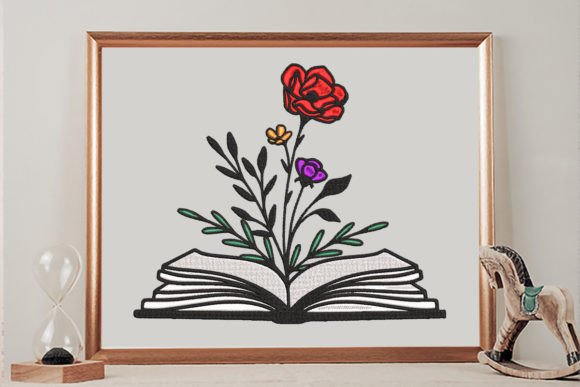
Flower Books Embroidery Design: A Whimsical Review for Real Projects
The Quiet Charm of Flower Books
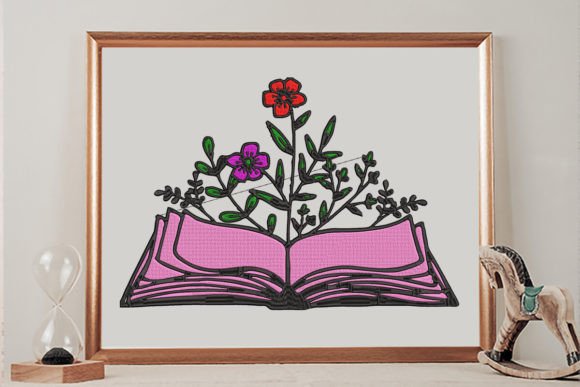
When I first opened the Flower Books embroidery file, my designer instincts immediately calmed. This isn't a loud, demanding design. It’s gentle. The layout speaks of a quiet, studious whimsy—the kind of visual personality that feels nostalgic and fresh at the same time. It belongs squarely in that sweet spot between decorative and meaningful. As a professional who regularly sources designs for client gifts and boutique merchandise, my first impression was positive: this is a design with a clear mood. It creates a sense of thoughtful charm, perfect for items meant to be cherished rather than just worn.
Where This Design Naturally Belongs
Let’s talk about real projects. I envision Flower Books stitched onto a canvas tote bag for a book-loving friend. It would elevate a simple bag into a personalized gift with a story. I see it on a linen pillow cover in a cozy reading nook, or delicately embroidered on the corner of a tea towel in a kitchen that appreciates subtle art. For small business owners, especially Etsy sellers focusing on handmade home decor or personalized gifts, this design is a solid asset. It has the versatility to move from a baby’s nursery blanket (paired with a name) to a wedding gift for a literary couple. Its theme isn’t seasonal, which is a huge plus for crafters building a year-round inventory. It feels like a design that would resonate with customers who value a handmade, intelligent presentation.
Performance in Real-World Embroidery
Thinking practically, how will it stitch out? The level of detail suggests it needs a decent hoop size to maintain clarity. I wouldn’t attempt this on a tiny 4x4 hoop; the elements need space to breathe. On a medium-weight cotton sweatshirt or a sturdy tote bag fabric, with the right stabilizer, I expect it to perform beautifully. The visual appeal hinges on stitch density—if the fill stitches in the book and flower elements are well-balanced, the final product will look professional and increase perceived value. For apparel decorators considering it on t-shirts, caution is advised: very stretchy or thin fabrics might distort the finer details. On a dark fabric, thread color contrast becomes crucial; a mock-up in black and white would be a wise step to check readability.
For commercial embroidery projects, like a series of patches or branded merchandise for a small shop, the design’s cleanliness is key. If the small details stitch out crisply, it builds customer trust and brand consistency. A blurry, dense mess would do the opposite. My advice is always to test on scrap fabric first, replicating the exact final project conditions—the same fabric, stabilizer, and thread. This step separates hobbyists from professionals.
Careful Application: A Designer’s Notes
There are situations where Flower Books requires careful handling. Textured fabrics like some blankets could swallow up the finer lines. Curved surfaces, like caps, might be challenging unless the design is suitably adapted or simplified. Products destined for frequent washing, like kitchen towels or baby clothes, need robust stitching; inspecting the stitch density for durability is non-negotiable. And for anyone creating digital product previews or printable mockups for their craft business, this design would show well against both light and dark backgrounds if the file quality is high. Always, always confirm the licensing before selling finished items. The provided description mentions it’s a machine embroidery design, but the specifics are crucial for commercial use.
From Digital File to Finished Product Value
The journey from downloading an embroidery file to holding a finished product is where the real judgment happens. Flower Books, when executed well, transitions from a digital asset to a physical product that enhances giftability and buyer engagement. It’s not a generic logo; it has a narrative. A customer buying an embroidered pillow with this design is buying a feeling—a connection to literature and nature. For creative entrepreneurs, that emotional hook is a business advantage. It allows you to market not just a pillow, but a “reader’s retreat pillow.” That’s a tangible value add.
The design’s success in your craft business or client work ultimately depends on your embroidery craftsmanship. Pair it with thoughtful thread colors that complement, not fight, the design. Use stabilizer appropriate for your base fabric. And choose projects that match its personality: avoid slapping it onto items where its whimsy would be lost. It wouldn’t suit a high-performance athletic cap, for instance, but it would be perfect on a linen apron for a gardener who also loves poetry.
A Final Real-Life Scenario
Imagine you’re preparing for a holiday market, and you want a line of elegant, non-seasonal gifts. You stitch Flower Books onto a series of high-quality cotton pillow covers. You display them next to embroidered tote bags with a complementary, simpler design. The books and flowers design draws customers in because it’s recognizable yet unique. It speaks to a specific person. It feels handmade and professional. That’s the power of a good embroidery design in a real commercial setting. It works quietly, but effectively, to create products that sell because they resonate.
In closing, without knowing the exact stitch count or file formats from the brief description, my practical judgment as a reviewer is this: Flower Books is a design with strong potential for makers targeting a thoughtful, gift-oriented market. Its charm is its main asset, and its technical success depends entirely on your diligent preparation. Test it. Hoop it wisely. Match it to the right project. Then, let its whimsy do the work.