Hangyaboly: A Font That Brings a Friendly Touch to Your Projects
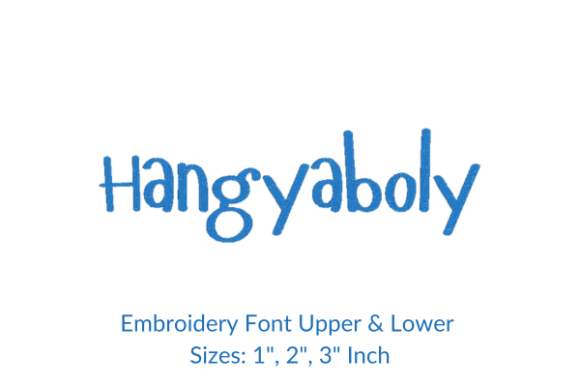
When I’m evaluating an embroidery font for real-world use, I’m not just looking at the preview on screen. I’m thinking about how it will stitch out, what kind of fabric it will sit on, and the mood it will create for the person receiving the finished item. The Hangyaboly Font Embroidery Design, which popped up in the School category, immediately struck me as a font with a particular kind of warmth and approachability. It’s not overly formal or stern; it has a gentle, almost handwritten quality that feels inviting. This isn’t a font for corporate logos or stark warnings—it’s for making someone feel seen, celebrated, or welcomed.
The Visual Personality: Where Hangyaboly Font Naturally Belongs
My first impression was of a font built for connection. The letters have a rounded, open shape with soft details. It’s playful without being childish, and clear without being rigid. This visual personality makes it a natural fit for projects where personal touch is paramount. Imagine stitching a child’s name onto a backpack for school, or a family surname onto a set of holiday kitchen towels. The font carries a sense of handmade care, which is exactly what customers are looking for when they seek out personalized gifts or small shop merchandise.
In a practical scenario, like preparing a custom baby gift set for a client—say, a blanket and a matching bib—Hangyaboly would be a top contender. Stitching the baby’s name and birth date in this font would create a cohesive, gentle look that feels special and intentional. It would avoid the cold, clinical feel of some block fonts, instead adding that boutique, crafted layer that elevates the product’s value and giftability.
Performance in Real-Life Embroidery Situations
So, how does this high-quality embroidery font translate from file to fabric? For projects like custom apparel, especially cotton sweatshirts or canvas tote bags, Hangyaboly should perform well. Its open letterforms and likely moderate stitch density mean it won’t create overly dense, stiff areas that can make fabric uncomfortable or prone to puckering. On baby clothes made from softer cotton, it should stitch cleanly without being too heavy.
For patches, aprons, and pillow covers, the font’s clarity is key. It should read well at a reasonable size, making it excellent for monograms or short quotes. For Etsy sellers creating digital product previews or printable mockups, this font’s friendly appearance can help a listing feel more engaging and trustworthy, suggesting a quality handmade product rather than a generic asset.
Where to Use Hangyaboly Font Embroidery Design Carefully
Every design has its ideal applications and its trickier ones. With Hangyaboly, the charming details and rounded shapes mean you need to be mindful on certain surfaces. On highly textured fabrics, like some blankets or thick tweed, the softer edges might lose definition, so a good stabilizer choice is crucial. On very stretchy fabric, like some t-shirt knits, the continuous curves could potentially distort slightly if not stabilized properly.
Small hoop sizes and tiny lettering are a consideration. If you’re trying to stitch a very long quote on a small cap or hat, the individual letters might become too small to maintain their clear, open shape. The design’s appeal relies on its readability, so cramming it into a tiny space could compromise that. Similarly, on dark fabric backgrounds, the choice of thread color contrast is vital—a light thread on dark fabric will make those friendly curves pop, while a poor contrast choice could muddy the whole effect.
For products that need frequent washing, like kitchen towels or baby items, a well-digitized font with consistent stitch density holds up better. Since specific stitch counts aren’t provided here, my practical advice is always to test the Hangyaboly Font Embroidery Design on a scrap of your intended fabric first. Run it through a wash cycle on your test piece to see how the stitches and fabric interact over time.
How This Font Affects Your Project’s Success
Choosing the right embroidery file isn’t just about aesthetics; it’s about business and trust. Using Hangyaboly on your handmade products reinforces a brand consistency of warmth and personal attention. For a creative entrepreneur selling at craft fairs, a tote bag embroidered with a customer’s name in this font feels more professional and deliberate than a hastily chosen generic font. It shows you’ve considered the design’s character.
This directly impacts buyer engagement. A customer looking at a mockup of an embroidered pillow cover with a meaningful date in Hangyaboly Font is more likely to feel an emotional connection to the product. The font’s friendly presentation enhances the perceived value, making it more giftable and increasing customer trust in your craftsmanship. For commercial embroidery projects where the end product is a personalized gift, this is a significant advantage.
Practical Notes for the Working Designer
Before loading this embroidery design for a client order, here’s my workflow checklist. First, I stitch it out on both a light and a dark scrap of a typical fabric I use—say, cotton twill for bags and jersey for apparel. This lets me inspect the small details, review the actual stitch density on my machine, and confirm the minimum hoop size I need for clarity.
I then create simple black and white digital mockups to see how it looks in pure graphic form, which helps plan layouts. I always check the thread color contrast against the final product’s fabric color. A friendly font like Hangyaboly can look completely flat if the contrast is weak.
Most importantly, I confirm the licensing terms for the Hangyaboly Font Embroidery Design before using it in any commercial project or selling finished items. The product description states it’s for personalizing designs, but the specifics for digital product sellers or mass production need to be clear. Never assume; always verify. This protects your business and respects the digitizer’s work.
In the end, the Hangyaboly Font Embroidery Design feels like a reliable, characterful tool in the designer’s kit. It’s not for every project, but for those where a personal, welcoming touch is the entire goal—school items, personalized gifts, boutique products—it brings that mood to life with stitching clarity. Test it, understand its limits, and it will help you create finished products that feel thoughtfully made from the very first letter.