Patchwork Letter H: A Designer's Review for Personalized Gifts
As an embroidery designer who regularly sources and tests designs for my personalized gift shop, I recently sat down with the Patchwork Letter H Embroidery Design to evaluate its potential. My goal is always practical: can this machine embroidery design become a reliable, charming product for my customers? Let's imagine a real case. A client requests a meaningful gift—perhaps a baby blanket for a newborn Hazel, a kitchen towel for a new home, or a pillow cover for a wedding keepsake. How does this particular letter design perform?
First Impressions: Charm & Emotional Appeal
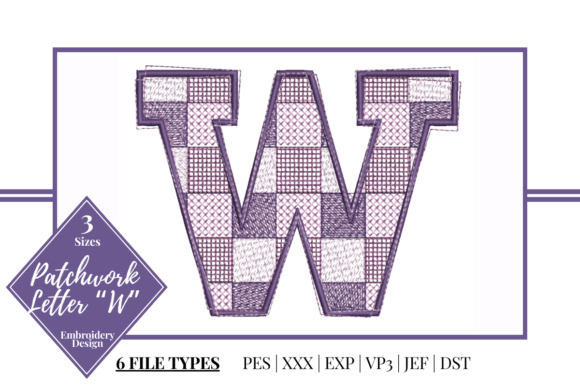
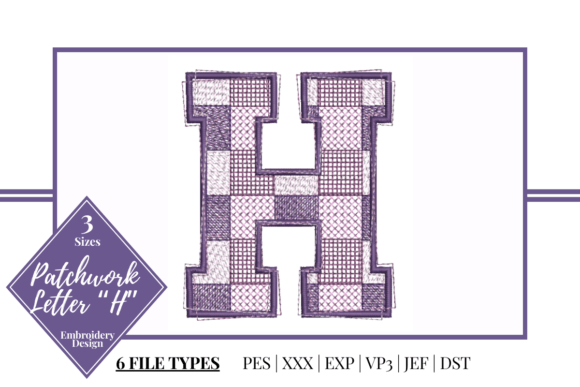
The first impression of the Patchwork Letter H is one of handmade warmth and playful elegance. It doesn't feel overly sweet or childish, nor is it starkly modern. Instead, it carries a classic, crafty mood reminiscent of a cherished quilt. This patchwork style detail level is its strongest asset. It suggests care, history, and personal touch immediately, which is exactly the emotional connection we want for personalized gifts. A customer looking for a nursery item, a family keepsake, or a romantic wedding gift would be drawn to this aesthetic. It feels special, not generic.
Versatility in Personalized Gift Applications
This design’s charm translates beautifully across a wide range of products, making it a fantastic asset for crafters, Etsy sellers, and small business owners. For baby embroidery, it’s perfect for blankets, burp cloths, or a small accent on a romper. For wedding gifts, imagine it on an apron or a set of pillow covers for the newlyweds' home. The patchwork look adds a cozy, united feel. It’s ideal for custom embroidery on kitchen towels, tote bags for a friend, or even framed as nursery decor.
For those selling at craft fairs or through online shops, the Patchwork Letter H can be a cornerstone design. You can create entire product lines: a series of pillow covers with different family initials, personalized aprons for a cooking club, or custom order previews for baby product creators. The ability to alter the thread colors, as noted in the product description, is key. You can match wedding palettes, nursery themes, or seasonal colors, making each finished product feel uniquely tailored.
Practical Considerations & Where to Use Carefully
While the design is versatile, a professional eye must consider its application. The patchwork detail, while lovely, means there are small elements and potential stitch density changes. On small lettering or very delicate details, I would advise testing on scrap fabric first, especially if you're planning to scale it down significantly for a tiny item like a baby clothes tag.
Fabric texture matters. On thick towels, which are a popular gift item, you'll need a proper stabilizer to ensure the design sits cleanly without puckering. For stretchy baby clothes, stabilization is paramount. Embroidering on curved surfaces, like the side of a tote bag, requires careful hooping. Also, always check thread color contrast against your fabric. The design’s appeal on dark fabric relies on well-chosen, contrasting thread colors. For products that need frequent washing, like an embroidered towel or apron, ensure your stitch settings are secure and your thread quality is high to maintain that handmade quality over time.
Impact on Giftability & Business Value
From a business perspective, the Patchwork Letter H significantly boosts giftability and perceived value. A product featuring this design looks considered and custom-made, not mass-produced. This builds customer trust and enhances the emotional connection to the item. For product photography in your Etsy listings or small shop website, the intricate detail provides visual interest and tells a story of craftsmanship. It engages buyers looking for that “something special.”
It elevates a simple pillow cover or blanket into a handmade product with a narrative. For wedding gift designers or baby product creators, this narrative—the patchwork representing pieces coming together, a family beginning—is a powerful selling point. The design supports higher pricing because the value is visibly embedded in the artistry.
Testing and Preparation are Key
Before running this digital embroidery file on any customer order, my standard protocol applies. First, test on scrap fabric identical to your final product fabric. This confirms stitch density and lets you review small details after stitching. You’ll want to see how the patchwork patterns fill.
Always confirm hoop size suitability for your intended product. While the product description doesn’t specify, you must check your embroidery file details to ensure your machine and hoop can accommodate the design size you need for, say, a large blanket center versus a small apron pocket.
Create light and dark fabric mockups, even digitally or via printable mockup software, to preview final results. This helps in planning thread color alterations. Finally, a crucial step for anyone selling finished products: confirm commercial licensing before selling. The product category is listed as School and the type as Embroidery, but you must verify the terms of the digital embroidery file you purchase to ensure your commercial embroidery use is covered.
A Final Thought for Gift Creators
The Patchwork Letter H Embroidery Design is more than just a letter. It’s a style, a mood, and a tool for creating deeply personal gifts. Its warmth and handmade aesthetic make it a strong candidate for anyone building a line of personalized keepsakes. By paying attention to the practical embroidery notes—fabric, stabilizer, testing, and licensing—you can transform this design into a reliable, high-value product that delights your customers and supports your craft business. It reminds us that in the world of personalized gifts, the details make the story, and this design is rich in them.