Varsity Number 9 Applique Embroidery: A Craft Fair Powerhouse
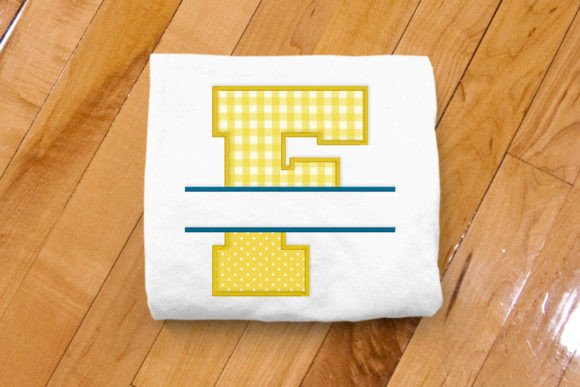
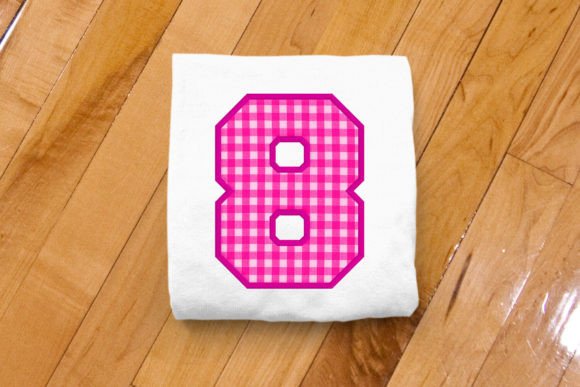
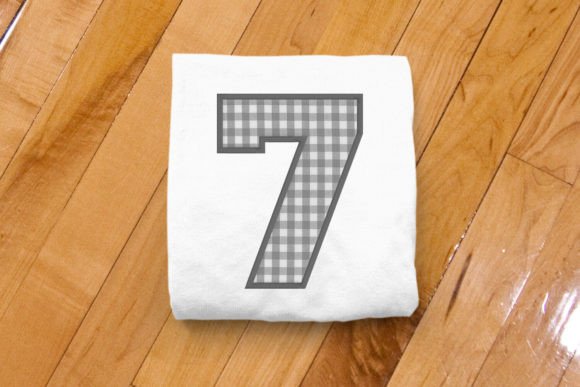
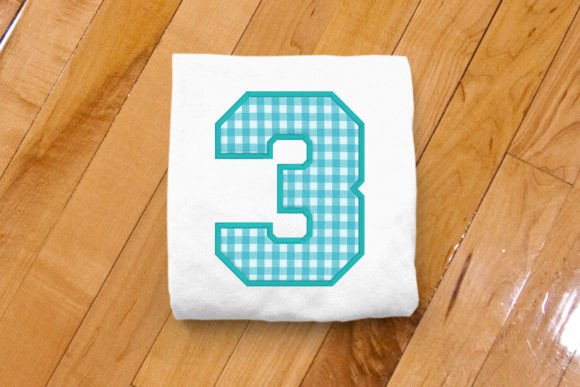
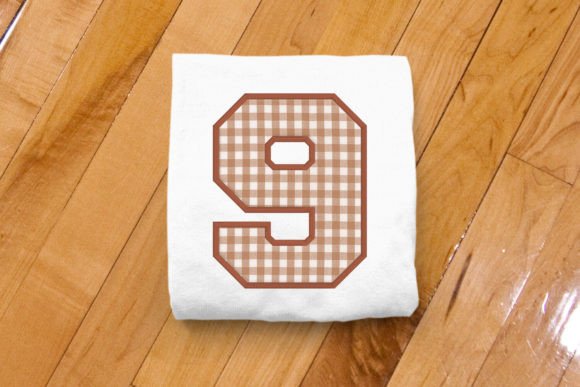
As an embroidery designer prepping for a weekend craft fair, my first task is to review the designs I’ll be turning into booth products. Today, I’m looking at the Varsity Number 9 Applique Embroidery. The description tells me it’s an applique featuring athletic or collegiate-style lettering, perfect for students, graduates, athletes, and fans. My immediate impression? This design has a bold, classic, and premium feel. It’s not cute or rustic; it’s a statement piece. It evokes school pride, team loyalty, and personal achievement—all powerful, emotive triggers for customers browsing a handmade market.
Where This Design Stands Out on the Booth Table
My display will feature tote bags, aprons, tea towels, caps, patches, pouches, and pillow covers. The Varsity Number 9 Applique Embroidery needs to be placed where it can shout. This isn’t a subtle accent. On a solid-color tote bag or a clean white apron, it becomes a focal point. Imagine a simple, high-quality canvas tote with this large, crisp number 9 appliqued on the front. It looks intentional and valuable. On a baseball cap, it feels authentic and sporty. As a standalone embroidered patch, it’s instantly understandable—a customer looking for a gift for a ninth-grade graduate or a fan of a player wearing number 9 will spot it immediately.
For smaller items like fabric pouches or tea towels, I’d consider using a slightly smaller version, but the collegiate style means it needs room to breathe. It’s a large focal design. On a pillow cover, paired with other school-themed elements, it could anchor a whole decorative collection. The key is to let it be big and bold.
Practical Production for the Busy Maker
Before I stitch this on any product for sale, I run through my checklist. Since the description mentions it’s an applique, I know there will be fabric pieces layered under stitches. This adds a fantastic textured, handmade quality, but requires careful setup.
- Test on Scrap Fabric First: Always. I need to see how the athletic lettering performs on the actual fabrics I’ll use: the dense weave of a canvas tote, the textured surface of a tea towel, the curved, structured front of a cap.
- Check Thread and Stabilizer: For applique, clean satin stitches outlining the number are crucial. I’ll test thread contrast—a bright white or gold on a dark fabric, a deep navy on a light fabric. The right stabilizer is non-negotiable to prevent puckering, especially on towels or bags.
- Review Stitch Density and Hoop Size: The description doesn’t give specifics, so I must check the embroidery file details myself. Collegiate lettering often has thick, solid areas. High stitch density on thick fabrics like denim can be challenging. I need to confirm the minimum and recommended hoop size to ensure my products can accommodate the design.
- Create a Real Mockup: One physical sample is worth a hundred digital mockups. I’ll stitch it on one tote bag to judge its real-world impact, photograph it for my Etsy listings, and see how the colors interact.
- Confirm Commercial Licensing: The description states it’s a machine embroidery design. Before I sell any finished product, I absolutely verify that my purchase includes a commercial license for this digital embroidery file.
Careful Use Notes for Consistent Quality
This design’s strength is its clarity. To maintain that, I must be mindful of a few production pitfalls.
- Tiny Details & Small Sizes: If I try to shrink it too much for a small pouch, the lettering’s athletic details might lose definition. It’s best kept at a medium-to-large scale.
- Dark Fabrics and Thread Contrast: Using a light applique fabric and a contrasting topstitching thread is key on dark backgrounds. A poorly chosen thread color will make the design fade into the product.
- Textured Towels and Curved Caps: On a tea towel’s loose weave, I’ll use a heavyweight stabilizer. On a cap’s curved panel, I’ll ensure my machine and hoop can handle the angle to keep the number from distorting.
- Batch Production Potential: Because it’s a single, iconic symbol, the Varsity Number 9 Applique Embroidery is highly repeatable. Once I nail the settings for a specific product, like tote bags, I can efficiently produce a batch for my booth. This is essential for craft fair inventory.
Turning Digital Files into Customer Attention
The ultimate goal is to catch a buyer’s eye and convince them of the product’s value. This design excels at visual appeal. In a booth crowded with items, a clean, bold number 9 on a bag creates a focal point. It speaks a simple message: school, sports, achievement. That clarity drives engagement. Customers don’t have to guess what it is; they instantly connect with it.
For my online shop as an Etsy seller, the photographs need to show that premium handmade quality. A well-executed applique, with neat edges and vibrant thread, looks professional and worth a higher price than a simple printed design. It reinforces my brand as a maker of durable, thoughtful goods. On a printable mockup or in listing photos, the design should be shown on products that make sense—a tote bag for a student, an apron for a team mom, a pillow for a dorm room.
The Final Prep: From Designer’s Screen to Seller’s Table
My review concludes with action steps. The Varsity Number 9 Applique Embroidery is a strong candidate for my craft fair product line. Its mood is confident and classic. I’ll prioritize it on products where size and boldness are assets: primarily tote bags, aprons, and pillow covers. I’ll produce a batch of patches as lower-price-point items for quick sales. I’ll avoid using it on overly textured or delicate fabrics where the applique might look clumsy.
The design’s success hinges on my production diligence. By testing, choosing complementary fabrics and threads, and verifying all technical and legal details, I can transform this digital embroidery file into a range of finished products that will not only stand out on my booth table but also resonate deeply with the graduates, athletes, and fans walking through the market. It’s a design that, when executed well, tells its own powerful story—and that’s exactly what sells in the world of handmade.