A Designer’s Review of the Patchwork Letter P
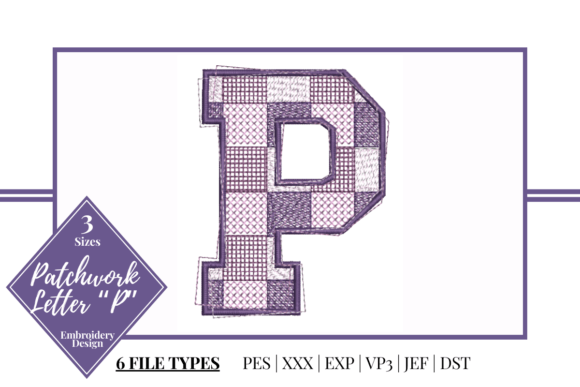
As an embroidery designer preparing for a weekend craft fair, my first task is to evaluate a new design’s potential. The Patchwork Letter P Embroidery Design immediately presents itself as a versatile, style-forward graphic. The “patchwork” concept suggests a playful, assembled look—not overly rustic or farmhouse, but leaning into a decorative, handmade aesthetic that feels both modern and approachable.
First Impressions & Mood
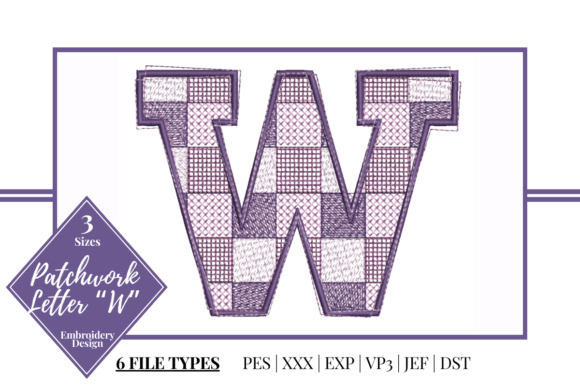
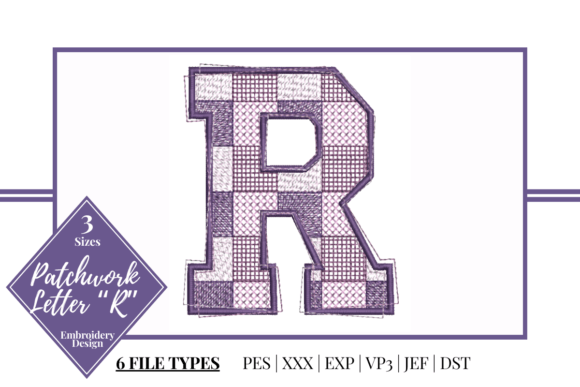
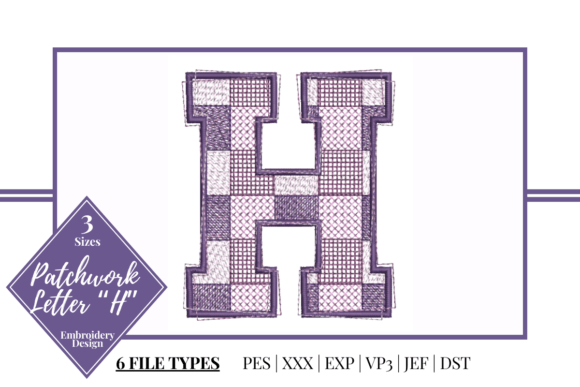
The title “Patchwork Letter P” conjures an image of a letter built from fabric scraps. In practice, this translates to a design that likely has internal segmentation or pattern blocks within the letterform. This gives it a bold, graphic quality while retaining a soft, decorative touch. It doesn’t scream “school” in a childish way; instead, it feels like a stylish accent piece. This is key for appealing to a broad market—it’s not just for kids’ items, but for anyone who appreciates a personalized, crafted look.
Where This Design Stands Out on the Booth Table
Imagine a display of embroidered tote bags, aprons, tea towels, caps, and small pouches. The Patchwork Letter P needs a product that showcases its graphic nature without overwhelming it.
Prime Product Candidates
- Tote Bags & Market Bags: A larger, central placement works beautifully here. The letter acts as a focal point, adding perceived value. It’s instantly understandable as a personalization or simple statement.
- Pillow Covers & Tea Towels: For home decor, this design adds a custom, boutique feel. On a tea towel, especially with altered thread colors to match a kitchen palette, it becomes a premium, giftable item.
- Embroidered Patches: This is a fantastic application. The patchwork theme inherently suits a patch. It can be sold as a standalone item or applied to jackets, bags, or hats, offering customers versatility.
- Caps: On the curved surface of a cap, a well-digitized Patchwork Letter P should hold its shape. It serves as a subtle, stylish logo rather than a loud statement.
- Small Pouches & Aprons: As a smaller accent on a pouch flap or an apron pocket, it adds a touch of handmade quality without dominating the product.
Products Where It Might Struggle
On very textured fabrics like some terry towels, the details might lose clarity. Also, as a small accent on a tiny item (like a keychain), the patchwork details could become too dense and indistinct. It’s a design that benefits from some scale.
Practical Selling & Production Points
From a production standpoint for craft fair sellers, several factors come into play.
Customer Understanding & Visual Appeal
At a glance, a customer recognizes it as a letter “P”. The patchwork element adds intrigue and craftsmanship, making the product feel more valuable and intentionally handmade. This directly supports a higher price point compared to a simple solid letter. For online listings like Etsy, it photographs well because it has clear form and interesting internal texture.
Batch Production & Efficiency
This design looks repeatable. Whether you’re producing a batch of tote bags with the same letter or offering a set of letters, the consistent style aids brand consistency. However, the note that “colors can be altered” is a major advantage. You can create color variations (e.g., seasonal palettes, customer requests) without needing a new digital embroidery file, making batch production with variety straightforward.
Critical Designer Notes for Success
- Always Test on Scrap Fabric First: Check how the patchwork segments behave. Are there dense stitch areas that could pucker on lightweight fabrics? Does it need a specific stabilizer?
- Check Thread Contrast: Especially if stitching on dark fabric. The design’s appeal depends on the contrast between its internal sections.
- Review Spacing & Hoop Size: Confirm the design fits your intended product area. A larger hoop size might be needed for a tote bag application versus a cap.
- Create a Real Mockup: Before committing to a full batch, embroider one sample on the actual product—a tote bag, towel, or patch. Assess the fabric texture interaction and the final hand-feel.
- Commercial Licensing: As a digital seller or small shop owner, ensure your embroidery file license permits selling the finished product at craft fairs and online. This is a fundamental step.
Affecting Customer Attention & Booth Strength
In a bustling handmade market, products need to grab attention quickly. The Patchwork Letter P, when placed on a well-chosen product like a bright tote bag or a crisp pillow cover, creates a clean, graphic stop-point. It signals quality and customization. A booth displaying several products featuring this cohesive design (e.g., a towel set, a matching bag and patch) builds a stronger, more professional brand story than a booth with random, unrelated designs. It encourages buyer engagement—customers might ask, “Can you do other letters?” or “Can you make this in a different color?” This opens the door for custom orders and deeper interaction.
Final Verdict for the Craft Fair Entrepreneur
The Patchwork Letter P Embroidery Design is a strong contender for craft fair products. Its style is adaptable, its visual appeal is high, and its production can be streamlined. Its greatest strength is its dual nature: it’s clearly a letter (offering personalization), but the patchwork execution makes it decorative and artful. Focus on applying it to products where its details can shine—tote bags, pillow covers, and patches are likely top sellers. Always heed the practical embroidery notes: test, check contrast, and verify licensing. With that groundwork, this design can become a reliable, attractive product in your handmade arsenal, adding value and distinctive style to your booth and your Etsy seller listings.