Silly Monkey Font: An Embroidery Designer's Craft Fair Review
As an embroidery designer preparing for a weekend craft fair, every digital file in my library gets a critical review. I’m looking for designs that not only stitch out beautifully but also translate into products that will attract attention, feel valuable, and sell quickly from a crowded booth. Today, I’m evaluating the Silly Monkey Font Embroidery Design for this exact purpose.
First Impressions: Playful Charm for a Personal Touch
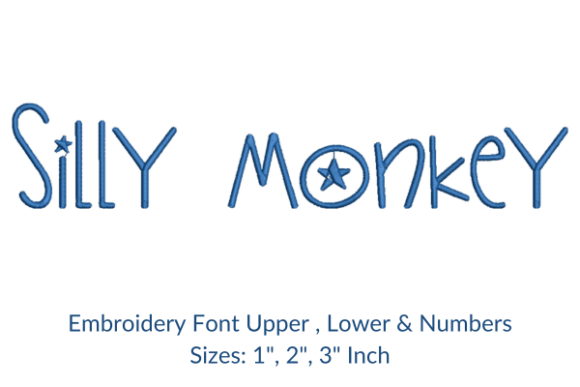
The name Silly Monkey Font sets the tone immediately: this is a playful, cute, and approachable design. It’s not minimalist or elegant; it’s fun. This personality is a huge advantage at a craft fair. In a sea of serious or rustic designs, something with genuine character can stop a browsing customer. This font feels perfectly suited for personalized items, which are perennial sellers at handmade markets. The promise of a high-quality embroidery font for names, dates, or quotes means it’s not just a static graphic—it’s a tool for creating unique, one-of-a-kind products.
Where Silly Monkey Font Shines on Craft Fair Products
My booth table is planned with a mix of items: tote bags, aprons, tea towels, caps, patches, small pouches, and pillow covers. I need to visualize where this font will perform best.
Top Contenders for Sales and Display
Children’s and School-Themed Items: Given the product category is School, this is a natural fit. Embroidered tote bags or small fabric pouches for a child’s name instantly become a potential gift. A simple “Emma” or “Jacob” stitched in this font on a bright tote bag has immediate appeal to parents and grandparents.
Personalized Kitchen Towels and Aprons: A kitchen towel embroidered with “Family Kitchen” or a wedding date using the Silly Monkey Font turns a mundane item into a sentimental gift. The playful tone softens the product, making it feel homemade and heartfelt rather than purely utilitarian.
Embroidered Patches and Caps: This font could work exceptionally well for a nickname or a fun quote on a patch. On a cap, however, caution is needed—the curved surface and potentially smaller size require a test stitch to ensure the font’s details and any playful curves remain clear and don’t pucker.
Products to Approach with Care
Small Pouches and Detailed Areas: If the lettering within the Silly Monkey Font has very small details or tight curves, stitching it at a small scale on a pouch might lose clarity. It’s crucial to test on scrap fabric first.
Dark or Textured Fabrics: On dark fabric, thread contrast is key. A bright, contrasting thread color will make the playful design pop. On textured fabrics like certain tea towels, a good stabilizer is non-negotiable to maintain stitch definition and prevent the design from getting lost in the weave.
The Practical Production Checklist for Your Small Shop
Turning a digital embroidery file into a batch of craft fair products requires a practical mindset. Here’s my real-world checklist for using the Silly Monkey Font Embroidery Design.
Pre-Production Testing
- Test on Scrap Fabric: Always stitch the font out on a scrap of the actual material you’ll use—be it cotton for a tote bag, canvas for an apron, or terrycloth for a towel. This reveals everything.
- Check Thread Contrast and Colors: Playful fonts often benefit from vibrant, cheerful thread colors. Test a few combinations.
- Review Spacing and Density: Look at the stitch density in the test. Are areas too dense for lighter fabrics? Does the spacing between letters look balanced when you stitch a full name?
- Confirm Your Hoop Size: While specific hoop size isn’t provided, you must ensure your machine and hoop can accommodate the size of text you want to create. A long quote needs planning.
- Create a Real Mockup: Before batch production, make one finished product. Photograph it. This is your booth sample and your Etsy listing image.
Batch Production and Sales Considerations
- Photography for Online Listings: A well-stitched sample on a nice product photographs beautifully. The handmade quality of embroidery shines. For your Etsy shop or digital storefront, these images sell the product.
- Repeatability: A good font is repeatable. Can you efficiently stitch “Happy Birthday” on ten pillow covers? If the design is clean and stitches reliably, it’s a winner for batch production.
- Commercial Use: The description states it’s for personalizing your designs. As a commercial maker selling finished products, I always double-check the license terms of any embroidery file to ensure I’m clear to sell the items I make.
How Silly Monkey Font Elevates Your Booth and Brand
Beyond the stitch itself, a design like this impacts your entire craft fair presence.
Customer Attention: Personalized items create engagement. A booth displaying items with names invites customers to imagine their own name, their child’s name, or a friend’s name on the product. This is a powerful selling trigger.
Product Value Perception: Embroidery adds perceived value. A tea towel with a generic print is commonplace; a tea towel with a custom, embroidered message feels like a premium, handmade gift. The Silly Monkey Font contributes to that craftsmans’s touch.
Booth Display Strength: A cohesive display matters. Having a line of products—totes, towels, pouches—all utilizing this same playful font for personalization creates a strong, recognizable theme in your booth. It looks professional and intentional.
A Final Designer’s Note
The Silly Monkey Font Embroidery Design, from a craft fair seller’s perspective, is a strong asset for creating engaging, giftable products. Its playful character is its biggest selling point. Success, however, hinges on the practical steps: testing on your specific fabrics, choosing bold thread colors for maximum impact, and ensuring your production setup can handle the text sizes you intend to stitch. Invest the time in making that first perfect tote bag or apron mockup. That real-world sample will tell you everything—how it feels in hand, how it catches the light, and how it will catch a customer’s eye at the fair.